DDP Shipping from China: Check Your Door-to-Door Quote
By Vincent Yu · Published 2026-11-06
Separate DDP sales terms from a door-to-door service label
You have chosen a China supplier. A forwarder offers a door-to-door price, adds “DDP,” and says you can leave everything to them. Before accepting, establish which company is promising what. A delivery address and a total price do not explain the whole arrangement.
Incoterms rules concern the sale between buyer and seller. With DDP, arranging import clearance and bearing the applicable import charges fall to the seller. The ICC buyer checklist also cautions that practical barriers can prevent a seller from undertaking clearance. A label alone does not resolve those barriers.
A transport provider can arrange services that help fulfill a sales agreement. However, its quotation is a separate document: ask how its services match the supplier's agreed sales term, destination and responsibilities. Paying the forwarder does not, by itself, establish who will be named in the customs arrangement.
There is also a separate question of billing. DHL describes its Duties and Taxes Paid, or DTP, option as a carrier billing arrangement for eligible accounts, rather than an Incoterms rule. Confirm the actual service selected instead of treating every “duties paid” phrase as interchangeable.
First decision: Ask whether “DDP” describes your supplier's sales commitment, the provider's service package, a carrier billing selection, or a combination. Get the relevant documents to agree before booking.
For a general price-comparison method, use our China freight quote checklist. This guide addresses the responsibility and evidence gaps behind the delivery label.
Confirm the importer arrangement before the goods move
Write down the parties involved rather than recording only your salesperson's name. You need a route for questions about shipment instructions, customs information and delivery. One business may perform several roles; ask it to confirm those roles explicitly.
In particular, ask who will be named as importer of record, who prepares the customs entry, and which party supplies and checks the product information. Ask the destination broker or relevant customs authority to clarify your business's obligations. A freight quotation cannot answer those questions merely by saying “tax included.”
Buyer questions to resolve before booking; this is not a universal legal-role assignment.
| Role or arrangement | Ask for | Decision supported |
|---|---|---|
| Seller | Sales term, version and named destination | Does the purchase agreement match the shipping plan? |
| Freight service provider | Contracting company and written service scope | Who answers a service or billing dispute? |
| Importer of record | Intended identity and broker-confirmed arrangement | Is the import plan clear before dispatch? |
| Customs contact | Broker or clearance contact and secure communication method | Who checks a document or authorization request? |
| Duty and tax billing | Intended billed party and reconciliation process | How will an unexpected demand be checked? |
| Receiving business | Delivery address, contact and acceptance instructions | What completes the agreed delivery handoff? |
If someone asks to use your business identity, establish what you are authorizing and discuss it directly with the verified customs contact. Keep sensitive identification and authorization documents out of casual group chats or public inquiry forms; use an agreed secure channel.
This checklist does not select a lawful importer arrangement for you. Requirements depend on the destination, goods and transaction. Ask for the relevant explanation before approving dispatch, rather than relying on an unsupported promise that you will have “no responsibility.”
Ask for documents that connect the quote to the shipment
The useful question is not “Will you send paperwork?” Ask which records will identify your shipment, what each record demonstrates, and when it can be supplied. Agree this before handing over the goods, while there is still time to clarify a missing record.
Some records become available after shipment or clearance. Others may contain another party's confidential information. Ask what can legitimately be shared, including shipment-specific references or appropriately redacted evidence. Do not assume that every service must hand you an identical document pack.
| Record to discuss | Match it to | What it helps you check |
|---|---|---|
| Accepted quote or booking confirmation | Shipment reference and scope version | Which service was approved |
| Commercial invoice and packing list | Product descriptions, quantities and supplier records | Whether the shipping information describes this cargo |
| Transport reference | Shipment, cartons and onward carrier if applicable | How the goods are identified in transit |
| Clearance evidence agreed with the broker | Relevant entry or shipment reference | What customs status has been reported |
| Duty or tax billing evidence | Billed party, reference and stated charge | What a payment or reimbursement request concerns |
| Delivery record | Agreed destination and receiving contact | Which delivery event has been recorded |
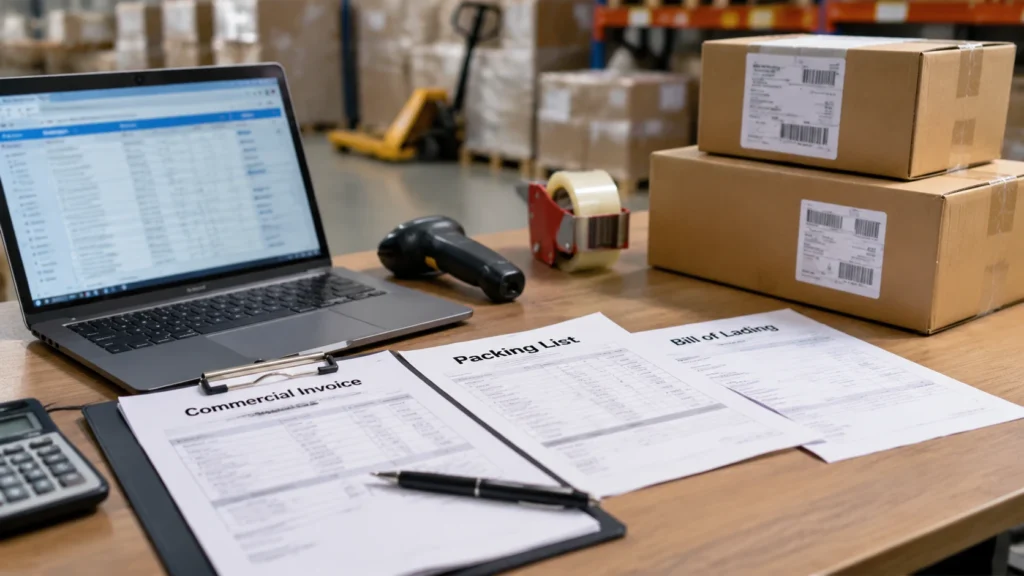
Keep these records connected by references that your provider can explain. An invoice for transport services is not, by itself, evidence of a particular customs assessment. Ask the issuer which supporting record explains a tax-related line, rather than guessing from its description.
Hypothetical example: A retailer receives a freight invoice marked “tax included” but no agreed shipment-specific clearance evidence. The next step is to ask the provider and verified customs contact what evidence is available and how it identifies this shipment. The label alone does not establish the answer.
Use accurate product descriptions and values. Do not accept a proposed description simply because it appears to make the quote cheaper. Ask the broker to resolve an uncertain classification or declaration input; this guide does not supply a tariff rate or classification decision.
Confirm the service scope before comparing prices
Once the parties and evidence plan are clear, compare the actual services. Ask each provider to answer the same questions for the same shipment. Keep a missing answer visible: “not stated” is neither an included service nor a zero charge.
The following checklist concerns the provider's quoted work. It does not rewrite a seller's agreed DDP obligations. If the service excludes something the sales agreement requires the seller to arrange, resolve that mismatch with the seller and provider before booking.
| Scope item | Confirm in writing | Resolve before acceptance |
|---|---|---|
| Starting point | Supplier pickup or receipt at a named warehouse | Who covers the movement before the quoted service starts? |
| Customs and billing | Clearance service, duty/tax billing and evidence arrangements | Do the provider's replies match the purchase agreement? |
| Destination | Exact address and agreed handoff point | Is warehouse delivery, unloading or appointment work included? |
| Optional handling | Packing changes, labeling and other requested work | Who approves the scope and its price before work starts? |
| Exceptions | Examination, storage, redelivery or other possible extra work | What triggers a charge, and what evidence explains it? |
| Quote conditions | Cargo assumptions, currency, validity and change process | Which changes require a revised written approval? |
Compare only after the replies describe compatible services. A low figure with an unresolved importer arrangement is not ready for the same decision as a documented offer. Clarify the gap first; it may change which service is suitable, not merely the total price.
If your suppliers will send separate lots to a China packing site, first use the supplier consolidation checklist. Its receiving and release records help establish what cargo the transport quote actually covers.
Do not add a blank allowance as zero in a landed-cost calculation. Request a confirmed amount, a defined charging basis, or an explicit unresolved item with an owner. Where an uncertain exposure matters to your decision, seek clarification before committing rather than manufacturing a precise total.
Decide what happens when the delivery plan changes
Agree a contact and decision process for exceptions before the shipment is moving. This does not mean every possible event can be priced in advance. It means knowing who explains a change, supplies supporting information and asks for any decision required from you.
Ask the provider to distinguish an update to its original estimate from newly requested work, a carrier billing issue, and a customs-related request. Those situations need different explanations. A new invoice alone does not tell you whether a charge matches the agreement or establish misconduct.
Hypothetical situation: a carrier requests payment after a duties-paid booking. Verify the request through an established contact, then ask which shipment, billed party and charge it concerns. Contact the provider and customs contact promptly to reconcile the request with the booking. Do not ignore a stated deadline while the parties investigate.
Hypothetical situation: the truck reaches a fulfillment center without an accepted appointment. Ask whether the booked service included appointment coordination and the receiving instructions were supplied. Customs release, arrival at an address and acceptance into warehouse stock are separate checkpoints to track, not one interchangeable “delivered” status.
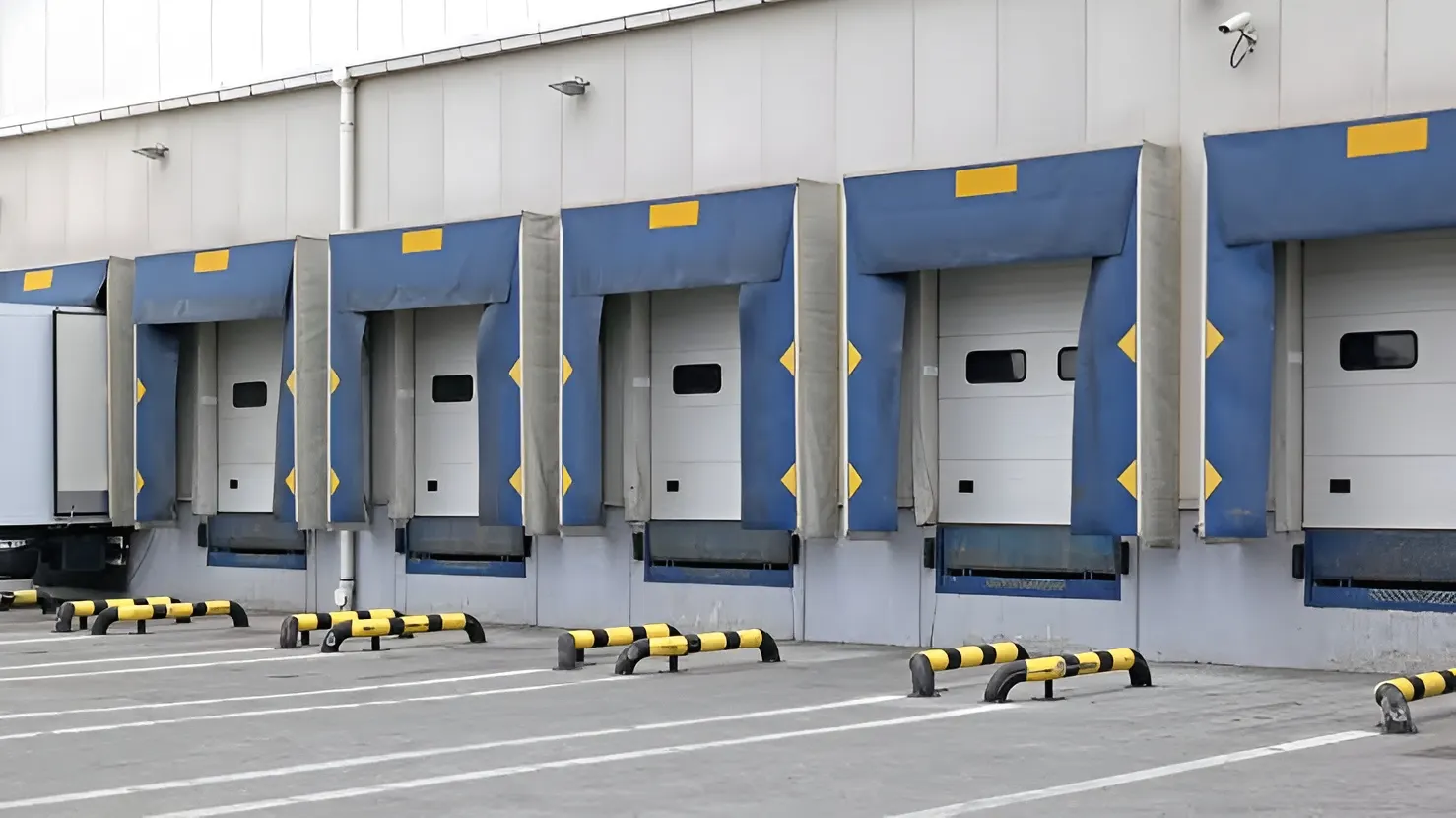
For that destination handoff, use our China-to-3PL preparation guide. Confirm your own warehouse's current requirements rather than applying another provider's rules automatically.
Before approving an exception, collect:
- The shipment reference and original scope or instruction affected.
- An explanation of what changed, from the party requesting action.
- Supporting evidence and the stated basis for any proposed charge.
- Available options, decision deadline and delivery consequences as explained by the provider.
- Your written decision and the updated instruction sent to affected parties.
If a response contradicts the agreed sales term or leaves an importer question unresolved, ask the relevant seller, provider or broker to clarify it. A project coordinator can collect the replies; customs and contractual questions still need answers from the appropriate responsible parties.
Send a quote-ready China shipping brief
Make the first request specific enough to expose a scope gap. You do not need every final measurement to start a discussion. Identify estimates clearly and ask which missing inputs must be confirmed before a firm booking or release decision.
Copy this outline into your inquiry:
- Goods: product descriptions, intended use, supplier count and available invoice information.
- Cargo: carton count, final packed dimensions and gross weights if confirmed; mark estimates and missing measurements.
- Route: pickup or receiving location, destination country, postcode and exact delivery setting.
- Commercial arrangement: the supplier's agreed sales term and the forwarder's quoted wording.
- Import questions: intended importer and clearance contact, or an explicit request to clarify them with the destination broker.
- Required replies: duty/tax billing, available shipment evidence, delivery scope, exclusions, validity and exception handling.
- Next decision: preliminary assessment, revised quote or booking approval; state any actual receiving deadline.
MoldShifu can discuss China-side supplier follow-up, receiving and consolidation coordination, packing or kitting, and dispatch handoffs within an agreed project scope. We can help turn scattered supplier and shipping replies into a brief that makes the next decision clearer.
Send the shipment information and the exact quote wording through our merch project brief. Customs clearance, importer arrangements and any regulated advice need confirmation with the appropriate destination professionals. Routes are assessed per shipment; Brazil is currently outside our offer.
Common questions
Is door-to-door shipping the same as DDP?
Do not assume so. Ask which sales term is agreed with your supplier and what the transport provider actually includes. A door-to-door description alone does not identify the importer arrangement, duty billing, evidence supplied or exact delivery handoff.
Does a DDP quote mean my business cannot be named as importer of record?
Do not infer the importer identity from the quotation label. Ask for the intended arrangement and have the destination broker clarify your business's role and obligations before dispatch. The appropriate arrangement depends on the goods, destination and transaction.
What should I request if a quote says tax included?
Ask which party will be billed, what the quoted amount assumes, what evidence can be supplied for your shipment, and how adjustments or disputed payment requests will be reconciled. Agree when the records become available and any legitimate sharing restrictions; there is no single document pack for every service.
What if the carrier asks me to pay after a duties-paid booking?
Verify the request using an established contact and identify its shipment reference, billed party and charge. Contact the provider and customs contact promptly to reconcile it with the accepted booking. Keep the supporting records and do not ignore a deadline while seeking clarification.
Can MoldShifu help if I already have China suppliers?
Yes. Send the supplier count, product information, available final packing data, destination and the exact quote wording. MoldShifu can discuss China-side supplier follow-up, receiving and consolidation coordination, packing or kitting, and dispatch handoffs within a quoted scope. Customs and importer arrangements need confirmation with the relevant destination professionals. Brazil is currently outside the offer.